What is the general rule in Georgia?
Caveat emptor, or buyer beware. In Allen v. Harris (2024), the Georgia Court of Appeals described caveat emptor as the general rule for the sale of real property (Georgia Court of Appeals).
General information
This page summarizes Georgia law and state guides. It is not legal advice. Talk to a Georgia lawyer or Georgia Legal Aid about your situation.
When can a seller be liable for not disclosing mold?
The court described a fraud exception: a seller who knows of serious defects that the buyer could not discover with due diligence, and does not disclose them, commits fraud. The seller must have actual knowledge (Georgia Court of Appeals).
What can buyers do?
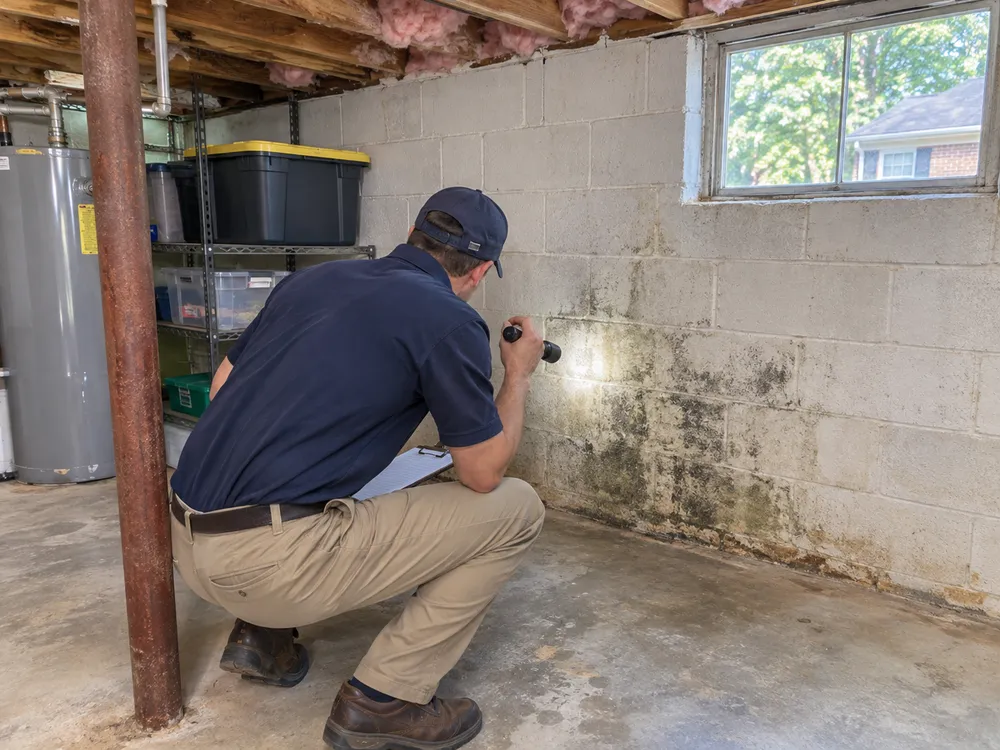
- Get a home inspection and read it closely for moisture and mold notes.
- Ask the seller in writing about past leaks, flooding and mold.
- Look at the bottom of drywall, under sinks and in the attic and crawl space.
- Talk to a real estate lawyer about your contract.
What should sellers do?
Talk to your agent or a lawyer about what you know. If mold is visible, the EPA says the moisture source should be fixed and the mold cleaned up (EPA).
Common questions
Is mold a deal breaker in Georgia?
That depends on the contract and the buyer. Many deals handle it with remediation and repair.
Does Georgia require a seller disclosure form?
Ask your agent or lawyer about the forms used in your transaction.
What if I found mold after closing?
Talk to a real estate lawyer. The fraud exception depends on what the seller actually knew.
Related guides
Sources
Last reviewed November 13, 2026. This guide is general information, not legal, insurance or medical advice.