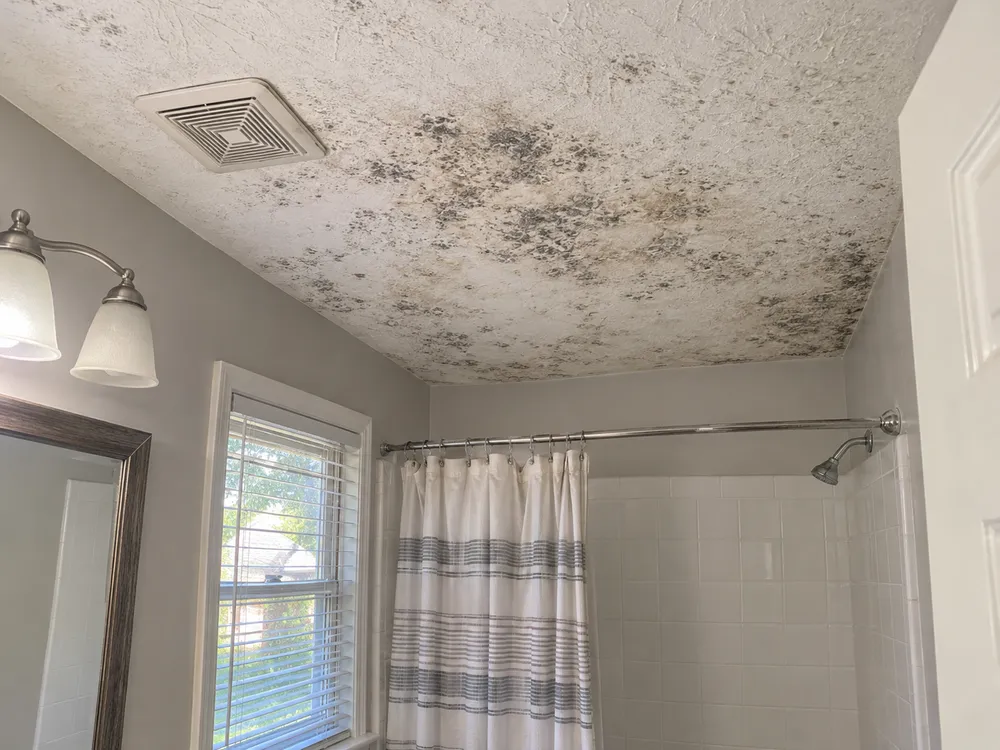
What does Georgia law require of landlords?
Georgia law says the landlord must keep the premises in repair (O.C.G.A. 44-7-13). The Georgia Landlord-Tenant Handbook says landlords must keep the unit habitable, maintain the structure and keep the plumbing in working order (Georgia DCA).
General information
This page summarizes Georgia law and state guides. It is not legal advice. Talk to a Georgia lawyer or Georgia Legal Aid about your situation.
Is there a specific mold rule?
No. Georgia DPH says there are no enforceable state or federal mold standards and that local housing codes generally do not contain mold standards (Georgia DPH). Leaks and plumbing problems that cause mold fall under the landlord's repair duty.
What should a tenant do?
Give the landlord written notice right away and keep a copy. The Handbook says tenants should notify the landlord in writing of needed repairs, generally must keep paying rent, and should be cautious with repair-and-deduct (Georgia DCA).
Who pays for damaged belongings?
The Handbook says landlords are responsible for a tenant's personal property damage only when it results from the landlord's failure to repair (Georgia DCA). Renters insurance is how many tenants cover their belongings. Georgia DPH lists Georgia Legal Aid as a resource (Georgia DPH).
Common questions
Can I break my lease because of mold?
Talk to a lawyer or Georgia Legal Aid before breaking a lease. The answer depends on the facts and your lease.
Do Georgia landlords have to disclose flooding?
The Handbook says that if the property has flooded at least three times in five years, the landlord must give written notice before the lease is signed.
Who cleans up small mold from shower humidity?
Tenants usually handle routine cleaning. Leaks and building defects are a repair issue for the landlord.
Related guides
Sources
- O.C.G.A. 44-7-13: landlord's duties as to repairs (Justia)
- Georgia Department of Community Affairs: Georgia Landlord-Tenant Handbook
- Georgia DPH: Indoor Air Quality
Last reviewed November 13, 2026. This guide is general information, not legal, insurance or medical advice.