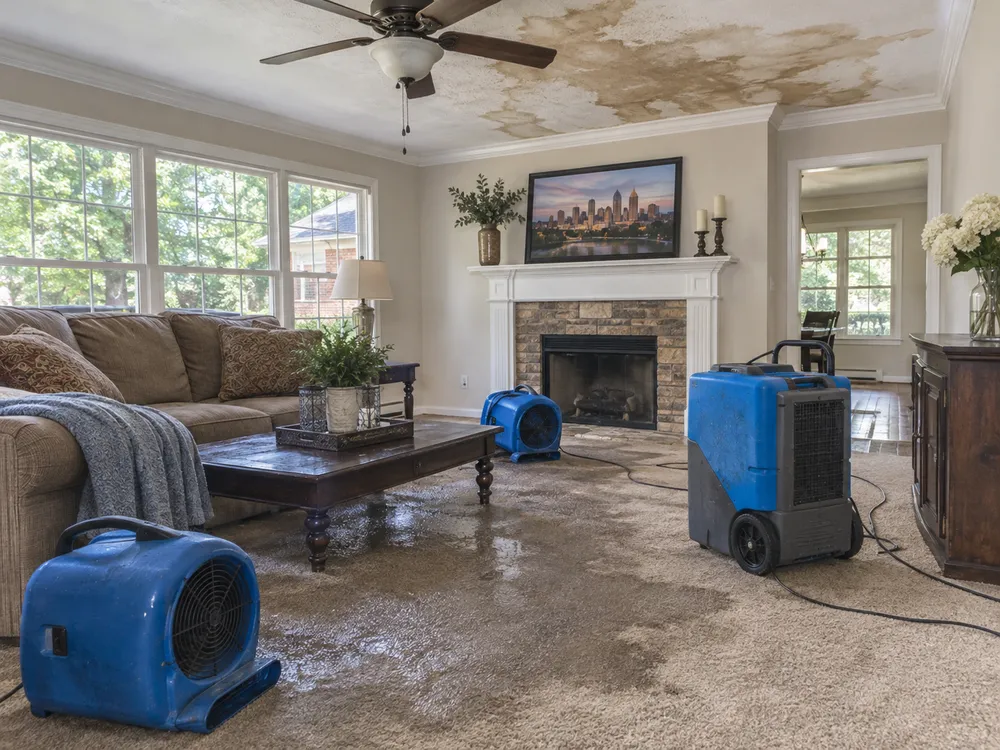
When should I not stay in the house?
Leave, or stay out of the affected area, when there is a clear hazard:
- You smell gas or hear hissing. The CDC says to leave the house if you smell gas (CDC).
- There is standing water and the power is on. Never turn power on or off or use an electric tool while standing in water (CDC).
- A ceiling or floor is sagging. The Red Cross says not to walk on a sagging floor (American Red Cross).
- The house is structurally damaged. The CDC says not to reenter until a building inspector has examined it (CDC).
Does the type of water matter?
Yes. Sewage, toilet backflow with feces and rising flood water are Category 3 water that can cause severe illness (Massachusetts DPH). Keep children and pets out of those areas until they are cleaned.
What about mold?
The CDC says that if a flooded home has been closed up for several days, assume it has mold, and air it out for at least 30 minutes before staying for any length of time (CDC). Do not run the heating and cooling system if you suspect it is contaminated with mold (EPA).
What if I stay during drying?
Drying equipment is loud and makes rooms warm. Keep the equipment running unless the crew says otherwise, keep doors to work areas closed, and ask whether any rooms should be off limits.
Common questions
Does insurance pay for a hotel during water damage repairs?
Many policies include additional living expenses when the home cannot be lived in because of covered damage. Keep every receipt.
Is it safe to sleep with dehumidifiers running?
Many people do. Ask the crew about any rooms that should be closed off and keep cords out of walkways.
Should I leave if there is mold?
Small areas usually do not require leaving. Large mold jobs sometimes include moving people out during the work, depending on size and health concerns.
Related guides
Sources
- CDC: reentering your flooded home
- American Red Cross: checking your home's structural elements
- Massachusetts DPH: quick reference, water damage response in buildings
- EPA: A Brief Guide to Mold, Moisture and Your Home
Last reviewed November 13, 2026. This guide is general information, not legal, insurance or medical advice.