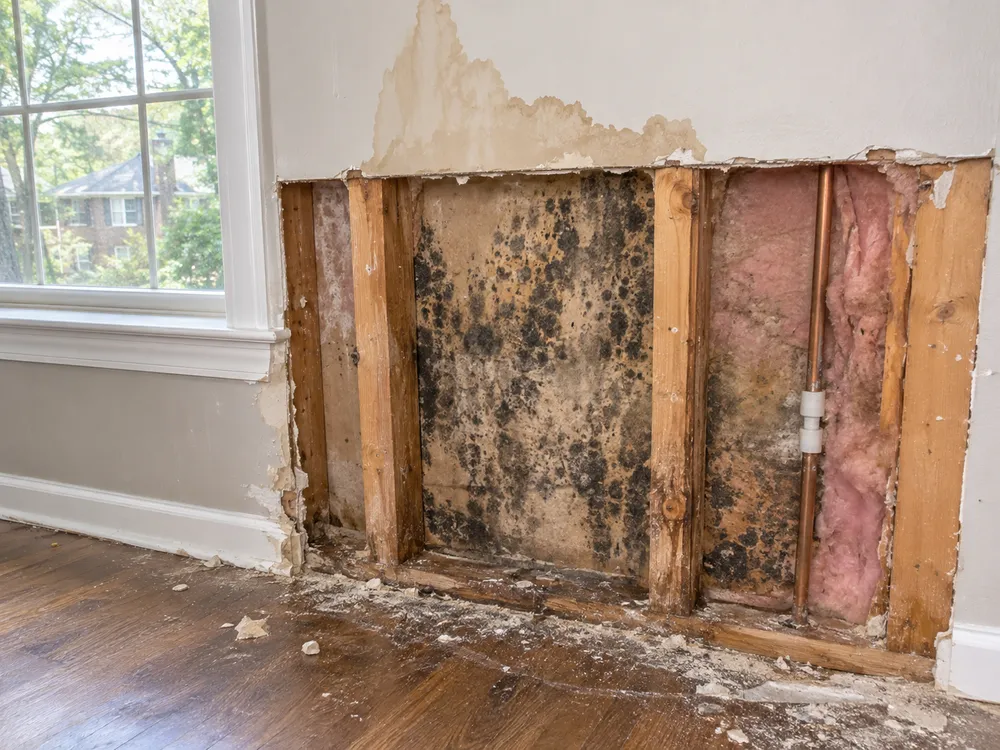
What are common symptoms of mold exposure?
The CDC says damp and moldy places may cause a variety of health effects, or none at all (CDC). For some people, mold can cause:
- A stuffy nose or sore throat.
- Coughing or wheezing.
- Burning, red or itchy eyes.
- A skin rash.
The EPA describes allergic reactions as hay fever-type symptoms such as sneezing, runny nose, red eyes and skin rash, and says they can be immediate or delayed (EPA).
Can mold affect people who aren't allergic?
Yes. The EPA says mold exposure can irritate the eyes, skin, nose, throat and lungs of people who are allergic to mold and people who aren't (EPA). It also says symptoms other than allergic and irritant types are not commonly reported from breathing mold, and that research is ongoing (EPA).
Who is at higher risk?
- People with asthma or mold allergies, who may have severe reactions.
- People with chronic lung disease.
- People with weakened immune systems, such as transplant recipients and people getting chemotherapy.
The CDC lists these groups (CDC)(CDC). It says people with asthma, COPD or a weakened immune system should stay away from moldy spaces during cleanup (CDC).
Can mold cause serious infections?
Rarely, in people with weakened immune systems. The CDC says these invasive mold infections are rare but often life-threatening, and that indoor mold from water damage may increase the risk (CDC). Symptoms can include fever, cough, night sweats, weight loss, shortness of breath, sinus symptoms and dark scabs or sores on the skin (CDC). The CDC says immunocompromised people should not enter moldy buildings or help clean up mold (CDC).
When should I see a doctor?
If you or someone in your family has health problems after mold exposure, the CDC says to contact a doctor or other health care provider (CDC). The CDC also notes that symptoms that seem related to mold might have other causes, such as infections or other allergies (CDC). For an emergency, such as severe trouble breathing, call 911.
Will testing my house explain my symptoms?
No. The CDC does not recommend mold testing. It says health effects differ from person to person, so sampling can't tell you whether someone will get sick, and there are no set standards for acceptable amounts of mold in a home (CDC). If you see or smell mold, remove it and fix the moisture problem, whatever the type (CDC).
Common questions
What are the first signs of mold exposure?
The CDC lists a stuffy nose, sore throat, coughing or wheezing, burning eyes and skin rash among the effects some people have. Some people have no symptoms at all.
Can mold make you sick if you're not allergic?
Yes. The EPA says mold can irritate the eyes, skin, nose, throat and lungs of people who aren't allergic to it.
Who should stay out of a moldy house?
The CDC says people with weakened immune systems should not enter moldy buildings or help clean up mold. People with asthma or COPD should also stay away from moldy spaces during cleanup.
Do I need a mold test to know if mold is making me sick?
No. The CDC does not recommend mold testing, because sampling can't tell you whether someone will get sick. Talk to a doctor about symptoms.
Related guides
Sources
- CDC: About mold
- EPA: A Brief Guide to Mold, Moisture and Your Home
- CDC: Protect yourself from mold
- CDC: Protecting your respiratory health during disaster cleanup
- CDC: Invasive mold infections in immunocompromised people
- CDC MMWR: Mold prevention strategies and possible health effects after hurricanes and major floods
Last reviewed November 13, 2026. This guide is general information, not legal, insurance or medical advice.